

Diaphragm Valve
SANKING Plastic Diaphragm Valves
Diaphragm Valves for Chemical, Dosing, and Corrosive Fluid Lines
A diaphragm valve is normally selected when the line needs chemical isolation, reliable shutoff, and reduced contact between the operating mechanism and the fluid. For plastic piping systems, the right valve is not decided by size alone. Material, seal, connection type, pressure, temperature, medium concentration, and operation method all need to be checked together.
SANKING supplies PVC, CPVC, PPH, and PVDF diaphragm valves for water treatment, chemical dosing, corrosive transfer, wastewater treatment, wet process equipment, scrubber systems, and OEM piping assemblies. Manual and pneumatic actuated options can be reviewed according to the line position and control requirement.
Choose by Medium, Temperature, and Line Function
Different diaphragm valve materials solve different problems. A PVC diaphragm valve may work well in a general water treatment line, while CPVC, PPH, or PVDF may be needed for higher temperature, stronger corrosion, or more sensitive chemical service.
PVC / UPVC Used for many water treatment, dosing, and low-to-moderate temperature chemical lines after medium compatibility is confirmed.
CPVC Considered when the line needs higher temperature resistance than standard PVC, subject to medium, concentration, pressure, and seal review.
PPH Often used for chemical process, wastewater, scrubber, and corrosive workshop lines where corrosion resistance and cost balance both matter.
PVDF Reviewed for more demanding corrosive media, sensitive chemical lines, high-purity support, and applications where long-term material stability is more important than lowest initial cost.
Before Choosing a Product
Where Diaphragm Valves Fit Better Than Ball Valves
Diaphragm valves are not used only because they are chemical-resistant. They are normally considered where chemical isolation, shutoff reliability, valve cavity design, or media contact control matters more than simple open-close operation.
Choose a diaphragm valve for chemical dosing, corrosive media shutoff, sensitive fluid isolation, wastewater chemical treatment, wet process support, and lines where valve cavity design needs closer review.
Choose a ball valve when the main need is simple shutoff, branch isolation, bypass, maintenance operation, or compact installation with lower operation complexity.
Recheck before ordering if the medium is only described as “acid,” “chemical,” or “wastewater,” or if the line needs precise regulation, high operation frequency, special documents, or limited installation space.
What to Confirm Before Comparing Prices
Send the medium name, concentration, temperature, pressure, pipe size, connection standard, valve material, seal requirement, manual or pneumatic operation, quantity, and delivery schedule. For OEM equipment or project orders, drawings, valve lists, equipment layout, and current product photos help confirm installation space and replacement requirements.
-
 PVC True Union Diaphragm ValvePVC True Union Diaphragm Valve is a special form of shut-off valve. It designed for process systems that require precision flow and/or develop internal fluid pressure or back pressure. The diaphragmAdd to Inquiry
 -
 PVC Diaphragm Valve Socket TypePVC Diaphragm valve socket type designed has a simple structure, small fluid resistance, and a larger flow capacity than other types of valves of the same specification; no leakage. It designed forAdd to Inquiry
 -
 PVC Diaphragm Valve FlangedPVC Diaphragm valve Flanged is special designed for connecting with pump or pipes which comes with flange, especially for the metal piping system (metal pump and metal pipes). The surface of theAdd to Inquiry
 -
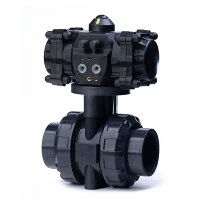
 Pneumatic Actuated PVC Diaphragm ValvePneumatic actuated PVC diaphragm valve is composed of diaphragm valve and pneumatic actuator. It uses compressed air as the power to realize the adjustment of the fluid medium flow to the pipeline.Add to Inquiry
 -
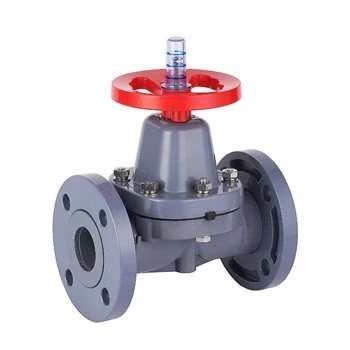 CPVC True Union Diaphragm ValveCPVC True Union Diaphragm valves is also known as membrane valves. Those valves are typically used in slightly more complex commercial or industrial applications. They use a membrane or diaphragm toAdd to Inquiry
 -
 Pneumatic Actuated CPVC Diaphragm ValvePneumatic actuated CPVC diaphragm valve is composed of CPVC diaphragm valve and pneumatic actuator. It uses compressed air as the power to realize the adjustment of the fluid medium flow to theAdd to Inquiry
 -
 PPH True Union Diaphragm ValvePPH True Union Diaphragm valves are the most common design, a two-way shutoff valve. PPH makes for an ideal valve material in industrial applications due to its ability to withstand a number ofAdd to Inquiry
 -
 Pneumatic Actuated PPH Diaphragm ValvePPH pneumatic diaphragm valve is mainly used for corrosive and toxic media. It is composed by PPH diaphragm valves and pneumatic actuator. The PPH diaphragm valve provides the body seal as well asAdd to Inquiry
 -
 PVDF True Union Diaphragm ValveThe structure of PVDF diaphragm valve is not the same as that of general valves. It is a new type of valve and a special form of shut-off valve.Add to Inquiry
- Tel: +86-592-7055777
- Fax: +86-592-7197120
- Email: Sandy@sanking.cn
- Add: No.169, Tong Hong Road, Tong'an District, Xiamen, China
Selection Details
How to Select a Plastic Diaphragm Valve
The product list above shows different diaphragm valve materials and structures. The final choice should follow the actual line function, not only the product name. In most projects, the key decision is material first, then seal, connection, structure, and operation method.
Chemical dosing and metering lines
Check the dosing chemical, concentration, pump discharge pressure, operation frequency, and whether the valve needs manual operation or pneumatic control. Do not select by pipe size alone.
Corrosive transfer and process lines
Review material and seal compatibility first. PPH or PVDF may be a better direction for stronger corrosive service, while PVC or CPVC may fit less demanding conditions after compatibility review.
Wastewater and scrubber systems
Acidic wastewater, alkaline wastewater, scrubber circulation, and exhaust treatment dosing may contain mixed chemicals, particles, or precipitate. Valve structure and maintenance access should be checked before approval.
OEM equipment and compact skids
For equipment-mounted piping, confirm handle clearance, actuator height, union nut space, pipe support, cable or air tube routing, and the replacement path before finalizing the valve list.
Manual or Actuated
Manual, Pneumatic, or Electric Diaphragm Valve?
The operation method should follow the line function. A low-frequency maintenance valve can stay manual, while dosing skids, wet process equipment, and automated chemical systems may need pneumatic or electric actuation.
Manual diaphragm valve Suitable for maintenance isolation, local shutoff, sampling, drain, and low-frequency operation points.
Pneumatic diaphragm valve Used for frequent operation, automated dosing skids, wet process equipment, and lines where compressed air and signal control are available.
Electric regulating option Reviewed when remote control, feedback signal, or proportional adjustment is needed. Confirm voltage, signal, speed, enclosure, and site environment before approval.
Recheck condition Do not use an actuated valve only because it looks more advanced. Operation frequency, control logic, maintenance access, and actuator environment should justify the added cost.
Common Mistakes
When the Valve Choice Should Be Rechecked
A diaphragm valve can be a good solution, but it should not be treated as a universal answer for every plastic piping line. Recheck the configuration in the following situations.
01.The medium is only described as “acid,” “chemical,” “alkali,” or “wastewater” without chemical name, concentration, temperature, and pressure.
02.The line contains particles, crystals, slurry, sediment, or precipitate that may affect the diaphragm, valve seat, or service interval.
03.The buyer needs precise flow regulation but has not provided control signal, flow target, or process requirement.
04.The valve will be installed in a corrosive, humid, outdoor, or high-temperature environment and actuator protection has not been confirmed.
05.The quotation, label, document, distributor, or product source is unclear. Source verification should be completed before procurement approval.
Verification and Documents
How SANKING Supports Project Review
For project and OEM orders, SANKING can review the valve configuration against confirmed line data before order confirmation. The review scope depends on the product type, order quantity, and project requirement.
Configuration review Material, valve structure, seal, connection, operation method, actuator type, and recheck conditions can be reviewed from the confirmed line data.
Drawing confirmation Dimensions, connection method, actuator direction, installation space, union clearance, pipe support, and maintenance access can be checked before ordering.
Inspection support Product appearance, dimensions, manual operation, actuator function, pressure or sealing checks, labels, and order-specific inspection records can be reviewed when required.
Documents Datasheets, drawings, certificates, inspection records, packing notes, and source verification can be prepared according to confirmed product and order scope.
Related Selection Resources
Build a Complete Plastic Piping Selection
Related product categories: Plastic Ball Valves, Butterfly Valves, Check Valves, Plastic Pipes, and Plastic Fittings.
Material selection: PVC, CPVC, PPH, or PVDF Material Selection Guide.
Chemical solution: Chemical Process Piping for corrosive process and chemical dosing systems.
Verification: SANKING Product Source Verification when a quotation, package label, document, or supplier source is unclear.
FAQ
Diaphragm Valve Questions for Buyers
What is the difference between a PVC and UPVC diaphragm valve?
In many plastic piping markets, PVC and UPVC are used closely in product searches. The final product should still be confirmed by material grade, pressure rating, temperature, connection standard, and chemical compatibility.
When should I choose a diaphragm valve instead of a ball valve?
Choose a diaphragm valve when chemical isolation, shutoff reliability, valve cavity design, or media separation matters more than simple open-close operation. Ball valves are often simpler for compact shutoff and maintenance isolation.
Can diaphragm valves be pneumatically actuated?
Yes. Pneumatic diaphragm valves are reviewed for frequent operation, dosing skids, wet process equipment, and automated chemical systems. Confirm air supply, signal, operation frequency, actuator space, and site environment before ordering.
What information should I send for a diaphragm valve quotation?
Send the medium name, concentration, temperature, pressure, pipe size, connection standard, valve material, seal requirement, operation method, quantity, destination country, document request, and delivery schedule. Drawings or valve lists help for project orders.
Need Help Selecting a Diaphragm Valve?
Send Your Medium, Line Position, and Valve Requirement
Share the working condition, required product list, drawings, current product photos, and document request. SANKING will help review the suitable diaphragm valve material, structure, seal, connection, and operation method.
Contact SANKINGXiamen Sanideng Plastics Industry Co., Ltd. is well-known as one of the leading diaphragm valve manufacturers and suppliers in China. Please feel free to buy or wholesale high quality diaphragm valve for sale here from our factory. For price consultation, contact us.
