

Chemical Process Piping
SANKING Chemical Process Solution
Chemical Process Piping Configured by Medium, Line Position, and Maintenance Risk
Chemical process piping is not selected by product name alone. One line may need a UPVC or CPVC valve for utility chemical service, another may need PPH or PVDF for stronger corrosion resistance, and an automated dosing point may need pneumatic, electric, or modulating control.
SANKING helps chemical plants, water treatment OEMs, dosing skid builders, wastewater system integrators, and industrial project buyers review plastic valves, pipes, fittings, seals, and actuated control products for acid and alkali transfer, chemical dosing, corrosive wastewater, scrubber systems, neutralization lines, and equipment-mounted chemical piping.
Application Fit
Where This Solution Is Used
This page is for teams that need to choose chemical-resistant plastic piping components by real working conditions. The main question is not "which valve is cheaper," but which material, seal, connection, valve structure, and control method fit each line position.
Chemical Dosing and Metering Lines
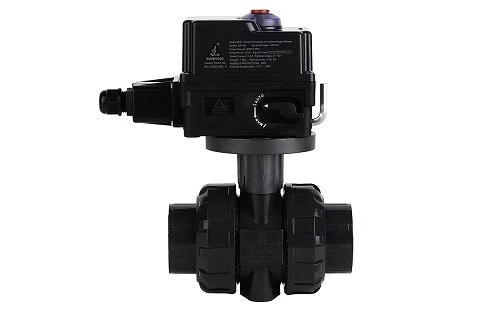
Used around dosing pumps, injection points, day tanks, dilution lines, bypass sections, and automated dosing skids. Valve torque, seal compatibility, actuator type, and pump discharge conditions should be checked before the product list is locked.
Acid, Alkali, and Corrosive Transfer Lines
Used for storage tank outlets, transfer pump lines, reactor utility piping, cleaning liquid transfer, neutralization systems, and corrosive process branches. The final material direction depends on chemical name, concentration, temperature, pressure, and seal requirement.

Wastewater, Scrubber, and Equipment Piping
Used in acidic wastewater, alkaline wastewater, scrubber circulation, exhaust treatment dosing, filtration discharge, skid-mounted water treatment systems, and compact equipment rooms where replacement space and maintenance access matter.
Risk Review
What Goes Wrong When Chemical Piping Is Selected Too Fast
Most chemical piping failures are not caused by one obvious mistake. They usually come from several small mismatches: the wrong material, the wrong seal, the wrong valve structure, the wrong connection, or an actuator placed in a corrosive environment without enough protection.
Material mismatch UPVC, CPVC, PPH, PVDF, and Clear PVC should not be selected only by price or product photo. Chemical name, concentration, temperature, and pressure decide the direction.
Seal mismatch A suitable valve body does not guarantee a suitable seat or seal. EPDM, Viton, and other seal choices must be checked against the actual chemical service.
Wrong valve structure Ball valves, diaphragm valves, check valves, strainers, and actuated valves do different jobs. A simple shutoff valve should not be used as a shortcut for flow regulation or sensitive chemical isolation.
Installation conflict Wrong end connection, tight actuator space, poor hand clearance, or missing pipe support can delay installation even when the material is correct.
Maintenance cost A low-cost valve can become expensive if it forces pipe cutting during replacement, has no union access, or cannot be operated safely in a corrosive workshop.
Input Parameters
What Must Be Confirmed Before Product Selection
A useful chemical piping review starts with working conditions, not a product code alone. These inputs decide the material, valve structure, seal, connection, actuator, document level, lead time, and maintenance plan.
Chemical name, concentration, temperature, and pressure
Descriptions such as "acid," "alkali," "chemical," or "wastewater" are not enough for final selection. The same chemical may require a different material or seal at a different concentration or temperature.
Line position and function
Tank outlet, pump suction, pump discharge, dosing injection, bypass, drain, filter discharge, scrubber circulation, or maintenance isolation point. Each position may need a different valve structure.
Connection standard and installation space
Socket, thread, flange, true union, ANSI, DIN, JIS, NPT, BSPF, actuator orientation, pipe support, and maintenance clearance should be checked before the product list is frozen.
Operation method and document needs
Manual operation works for low-frequency isolation. Pneumatic, electric, or modulating control is reviewed when the line needs frequent operation, remote control, signal feedback, or flow adjustment. Drawings, datasheets, certificates, and inspection records should match the final order scope.
Recommended Configuration
Choose Products by Line Position
The same chemical system may need different product structures in different positions. Each product below has a job. The recheck notes are as important as the recommendation.
Tank outlet, branch shutoff, and maintenance isolation
Plastic Ball Valves fit shutoff, branch isolation, bypass, and maintenance points. True union structures help when valves need to be removed without cutting the pipeline. Recheck this choice if the line needs clean shutoff, throttling, or frequent automated operation.
Sensitive chemical shutoff and isolation
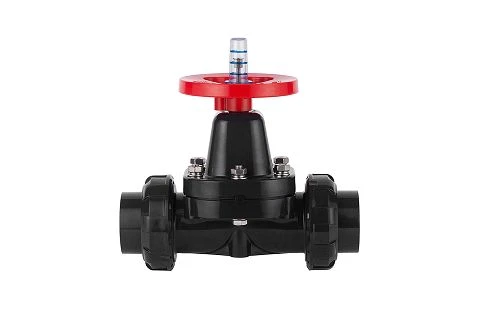
Diaphragm Valves are considered where chemical isolation, valve cavity design, or clean shutoff needs closer review. Recheck if the position is only a low-risk isolation point and the project is under cost or lead-time pressure.
Pump discharge and dosing protection
Check Valves are reviewed where the system needs backflow protection around pumps, dosing lines, tank outlets, or transfer sections. Recheck the structure if the liquid contains particles, crystals, or sediment.
Equipment protection and dirty chemical sections
Y-Strainers may protect pumps, valves, meters, and downstream equipment from process debris. They should not be added blindly to every line. Particle load, cleaning access, and pressure drop should be reviewed first.
Automated dosing, transfer, and control points
Pneumatic or electric actuated plastic valves are reviewed for remote operation, dosing skids, batch transfer, and automated process control. Confirm actuator material, voltage, signal, enclosure, corrosion exposure, humidity, and manual override before approval.
Pipe runs, branches, and equipment connection
Plastic Pipes and Plastic Fittings keep the system material, connection method, and installation direction consistent. Recheck pipe size, standard, support spacing, joint method, and replacement access.
Material and Trade-Offs
Balance Corrosion Resistance, Cost, Life, and Lead Time
A good chemical piping solution does not mean using the highest-grade material everywhere. Strong chemical positions deserve stricter material and seal review, while low-risk utility or maintenance points can often use a simpler configuration after the working condition is confirmed.
UPVC Common for general water treatment, low-to-moderate temperature chemical service, and less demanding corrosive conditions after compatibility review.
CPVC Considered where temperature resistance is needed compared with standard PVC, subject to medium, concentration, pressure, and seal compatibility.
PPH Used in many chemical process and wastewater lines where corrosion resistance, cost balance, and service life need to be reviewed together.
PVDF Stronger direction for demanding corrosive media, sensitive chemical transfer, high-purity support, and positions where long-term material stability is valued over lowest initial cost.
Clear PVC Used only in selected visual-check sections where flow, bubbles, color, or contamination observation is useful and the medium is compatible.
Recheck Conditions
When This Solution Needs a Different Review
The safest answer for chemical service is sometimes "recheck before buying." The following situations require a second review before product selection, quotation, or order confirmation.
01.The medium is only described as "acid," "alkali," "chemical," "solvent," or "wastewater" without chemical name, concentration, temperature, and pressure.
02.The liquid contains particles, crystals, slurry, sediment, or precipitate that may affect valve seats, check valve movement, strainer maintenance, or service intervals.
03.The buyer needs precise flow regulation but only requests a basic ON/OFF valve without control signal, flow target, or process requirement.
04.The workshop has corrosive vapor, high humidity, outdoor exposure, or heat, and actuator protection has not been confirmed.
05.The quotation, label, document, distributor, or product source is unclear. In this case, source verification should be completed before procurement approval.
For dosing skids and compact chemical equipment, the valve itself is not the only concern. Actuator height, union nut clearance, pipe support, maintenance hand space, cable or air tube routing, and replacement path should be checked before the final product list is confirmed.
Verification and Documents
How SANKING Supports Review Before Delivery
For chemical process piping, verification usually moves from parameter review to model selection, drawings, sample or small-batch confirmation, inspection, packing, and document delivery. The exact scope depends on product type and project requirement.
Configuration review SANKING reviews material, valve structure, pipes, fittings, seals, actuator type, alternative options, and recheck conditions from confirmed line data.
Drawing confirmation Dimensions, connection method, actuator direction, installation space, union clearance, pipe support, and maintenance access can be checked before order confirmation.
Sample or small batch Equipment builders and system integrators can use samples or small-batch orders to confirm fit, layout, actuator signal, installation sequence, and replacement method.
Inspection and files Product appearance, dimensions, manual operation, actuator function, pressure or sealing checks, label information, datasheets, drawings, certificates, inspection records, and packing notes can be reviewed when the project requires them.
Evidence Buyers Can Check
Do Not Approve by Photo or Price Alone
For chemical process procurement, buyers can review product size, pressure rating, temperature range, connection standard, seal configuration, actuator option, drawing, inspection information, certificate scope, packing label, and official source before final approval.

Product references: Plastic Ball Valves, Diaphragm Valves, Check Valves, Y-Strainers, Plastic Pipes, and Plastic Fittings.
Selection guides: PVC, CPVC, PPH, or PVDF Ball Valve Selection Matrix, EPDM vs Viton Seals, and Pneumatic vs Electric Valves.
Manufacturing and inspection: Review Manufacturing and Quality for production, inspection, quality control, and factory support information.
Documents and source: Use Certifications and Compliance and SANKING Product Source Verification to confirm documents and official source when the project requires it.
FAQ
Questions About Chemical Process Piping
Which plastic material is best for chemical process piping?
There is no single best material for every chemical line. UPVC, CPVC, PPH, PVDF, and Clear PVC should be reviewed according to chemical name, concentration, temperature, pressure, seal, and project standard.
Should I choose a ball valve or diaphragm valve?
Ball valves work well for shutoff, bypass, branch isolation, and maintenance points. Diaphragm valves are considered where chemical isolation, clean shutoff, or valve cavity design needs closer review.
Can chemical process valves be automated?
Yes. Manual, pneumatic, ON/OFF electric, and modulating control options can be reviewed. The actuator should match valve torque, signal requirement, operation frequency, site environment, and maintenance access.
What should I send for a chemical piping quotation?
Send the chemical name, concentration, temperature, pressure, pipe size, connection standard, line position, valve type, seal requirement, control method, quantity, destination country, document requirement, and delivery schedule. Drawings or valve lists are helpful for equipment and project orders.
Start a Chemical Piping Review
Send Your Medium, Line Position, and Product Requirement
Share the working condition, required product list, drawings, current product photos, and document requirement. SANKING will help review the material direction, valve and piping combination, actuator option, verification process, and project support information.
Contact SANKING- Tel: +86-592-7055777
- Fax: +86-592-7197120
- Email: Sandy@sanking.cn
- Add: No.169, Tong Hong Road, Tong'an District, Xiamen, China