

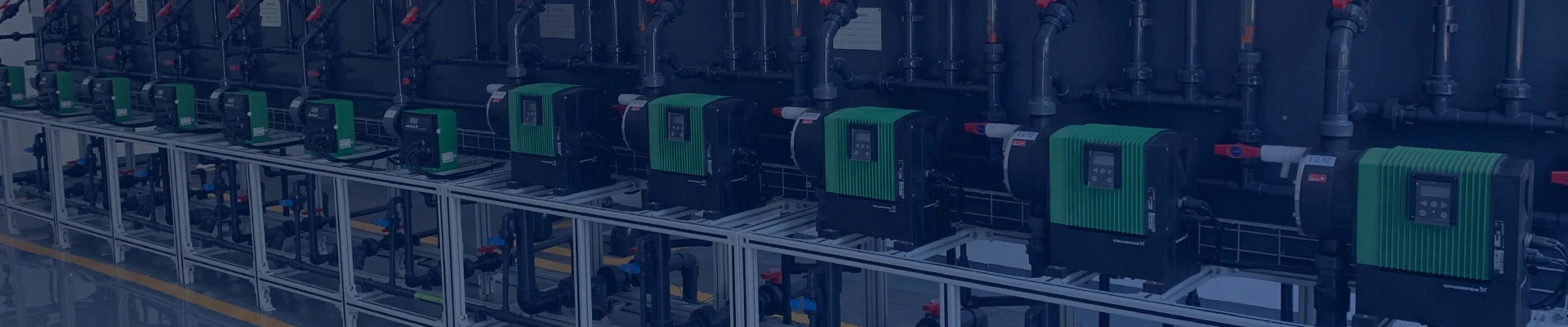
Industrial Wastewater Piping
Industrial Wastewater Piping
Select the Piping Around What the Waste Stream Actually Contains
Industrial wastewater is rarely a stable fluid. Acid rinse, alkaline waste, salt-bearing discharge, PCB and electronics wastewater, process chemicals, treatment chemicals, suspended solids, precipitate, and cleaning residues can enter the same treatment plant at different stages.
Start by separating the lines with different chemistry and operating risk. Then match the valve body, seal, pipe, fittings, check valve, strainer, actuator, and maintenance structure to each position. This keeps lower-cost materials where they work and moves PPH or PVDF into the corrosive positions that actually need them.

Start Here
"Wastewater" Is Not Enough Information for Material Selection
Two lines in the same treatment station can need different materials. A rinse-water drain can be relatively mild while a concentrated regeneration waste line, plating discharge, acidic collection line, or chemical dosing branch creates a much harder service condition.
Configure by Line Position
Where the Valve and Material Decision Changes
Use the line function as the first filter, then confirm the actual chemistry and operating condition before the BOM is released.
| Line Position | Product Direction | Material Direction | Main Review Point |
|---|---|---|---|
| Acid / Alkali Waste Collection | True union ball valve, compatible pipe and fittings | PPH is often a practical starting point; PVDF for more demanding chemistry | Chemical, concentration, temperature, seal and batch variation |
| PCB / Electronics Wastewater | PPH ball valves, check valves, strainers, PPH piping package | PPH for many acid/alkali and mixed wastewater sections; PVDF selectively | Metal salts, etching or cleaning chemistry, precipitate, pH swings and acid mist |
| Salt-Bearing Wastewater | Ball valve, check valve, pipe and fittings | PVC or PPH may be reviewed depending on the full chemistry | Salt concentration plus acids, alkalis, oxidizers, temperature and crystallization |
| Before Filtration | Y-strainer where particle protection is justified, isolation valve | Match the wastewater line material | Particle size, loading, screen opening, cleaning interval and pressure drop |
| After Filtration | Ball valve, automated valve or check valve according to process duty | Follow the confirmed filtrate chemistry | Residual solids, downstream chemical addition, automation and maintenance isolation |
| Pump Discharge | Check valve plus true union or flanged isolation valve | Match the process line after pressure review | Pump shutoff head, reverse flow, vibration, surge and service clearance |
| Chemical Dosing Point | True union ball valve, check valve, actuated valve where required | PVC, CPVC, PPH or PVDF by exact chemical | Concentration, dosing-pump pulses, seals, gas release and shutdown condition |
| Final Discharge | Ball or butterfly isolation valve, check valve where backflow risk exists | PVC or PPH often deserves first review after treatment chemistry is known | Residual chemical, outdoor exposure, pipe support, solids and replacement access |
Material Boundary
PVC, CPVC, PPH, or PVDF?
Do not upgrade every wastewater line to the most expensive material. Separate mild water-like discharge from the corrosive or higher-risk lines and spend the material budget where failure and replacement cost are higher.
PVC / UPVC
Worth reviewing for treated discharge, rinse water and lower-temperature wastewater with known compatible chemistry. It becomes a weaker default when the waste stream contains stronger mixed chemicals, elevated temperature or large composition swings.
CPVC
Review CPVC when temperature is the main reason PVC loses margin. Do not treat CPVC as an automatic answer for unknown mixed wastewater; the chemical composition and seal still decide whether it is suitable.
PPH
A strong starting direction for many acid, alkali, electroplating, industrial wastewater, scrubber and corrosive workshop lines. Mixed oxidizers, solvents, elevated temperature and unusual waste chemistry still need specific compatibility review.
PVDF
Move toward PVDF where the chemical exposure is more demanding, shutdown cost is high, sensitive chemicals remain in the stream or PPH does not provide enough material margin. Use it selectively rather than automatically specifying PVDF across the full treatment plant.
For a broader comparison, use the PVC, CPVC, PPH, or PVDF Selection Matrix.
Solids, Backflow and Maintenance
Three Small Details That Create Expensive Shutdowns
Protect With a Y-Strainer-Where It Makes Sense
A Y-strainer can protect downstream valves, meters, spray devices and equipment from particles or debris. Size the screen around the actual solids load and allowable pressure drop. On a pump suction line, do not add a strainer by habit; a dirty screen can create a suction problem before anyone notices the blockage.
Stop Reverse Flow at the Pump and Process Boundary
A stopped transfer pump, elevated discharge line or parallel pump can drive wastewater backward. Put the check valve where reverse flow creates a real equipment or process problem and check orientation, closing behavior, pressure fluctuation and access for cleaning or replacement.
Use True Union Where the Valve Will Eventually Come Out
Wastewater valves see deposits, changing chemistry and more maintenance than clean-water isolation points. True union construction lets the valve body come out without cutting the process pipe when enough union-nut and body-removal space has been reserved.

Corrosive Workshop Automation
The Fluid Is Only Half of the Corrosion Problem
In PCB plants, plating workshops and industrial wastewater stations, acid mist, alkali mist, humid air, washdown water and corrosive vapor attack equipment outside the pipe as well as the wetted valve parts.
For automatic valves, inspect the actuator housing, bracket, exposed fasteners, cable gland, solenoid, limit switch and actuator-to-valve connection. A corrosion-resistant PPH or PVDF valve body does not automatically make the complete automated assembly corrosion resistant.
Where reduced exposed metal is a project priority, compare Full-Plastic Actuated Ball Valves for Corrosive Workshop Environments.
Outside the Pipe
Actuator Protection, Brackets and Pipe Supports Need Their Own Review
IP rating note: An IP66 enclosure helps with dust and water-jet protection, but it is not a chemical-resistance certificate for acid vapor, chlorine-containing gas, alkaline mist or direct chemical splash.
Project Configuration Reference
PCB / Electronics Wastewater Treatment Station
A PCB or electronics wastewater plant is a useful example because the difficult lines are usually not the same throughout the station. Treat the following as a configuration review pattern rather than a fixed material specification.
| Area | Practical Direction | Why It Gets Separate Review |
|---|---|---|
| Acid / Alkali Collection | PPH true union valves and PPH fittings after compatibility review | Frequent maintenance, variable concentration and corrosive workshop atmosphere |
| More Demanding Chemical Waste | PVDF valve and piping components where PPH margin is not enough | Chemical stability or failure cost justifies the material upgrade |
| Pump Outlet | Check valve plus removable isolation valve | Reverse flow and pump maintenance are more important than adding another generic shutoff valve |
| Solids / Precipitate Zone | Strainer only where screen size and cleaning plan are defined | A fine screen that plugs quickly can create more downtime than it prevents |
This is an engineering configuration reference, not a named customer case. Final selection follows the actual wastewater analysis, pressure-temperature condition, seal compatibility, installation environment and project standard.
Seal Selection
A Correct PPH or PVDF Body Can Still Have the Wrong Seal
Mixed industrial wastewater is one of the worst places to select EPDM or Viton from habit. Production changes can move the stream from water-based rinse to acid, alkali, oxidizer, oil or solvent-related exposure during different operating periods.
Put seal material on the RFQ as its own line item and confirm it against the chemical, concentration, temperature and cleaning cycle. See EPDM vs Viton Seals for Plastic Ball Valves in Chemical Service.
Product Verification
Use Test Information That Matches the Selected Product
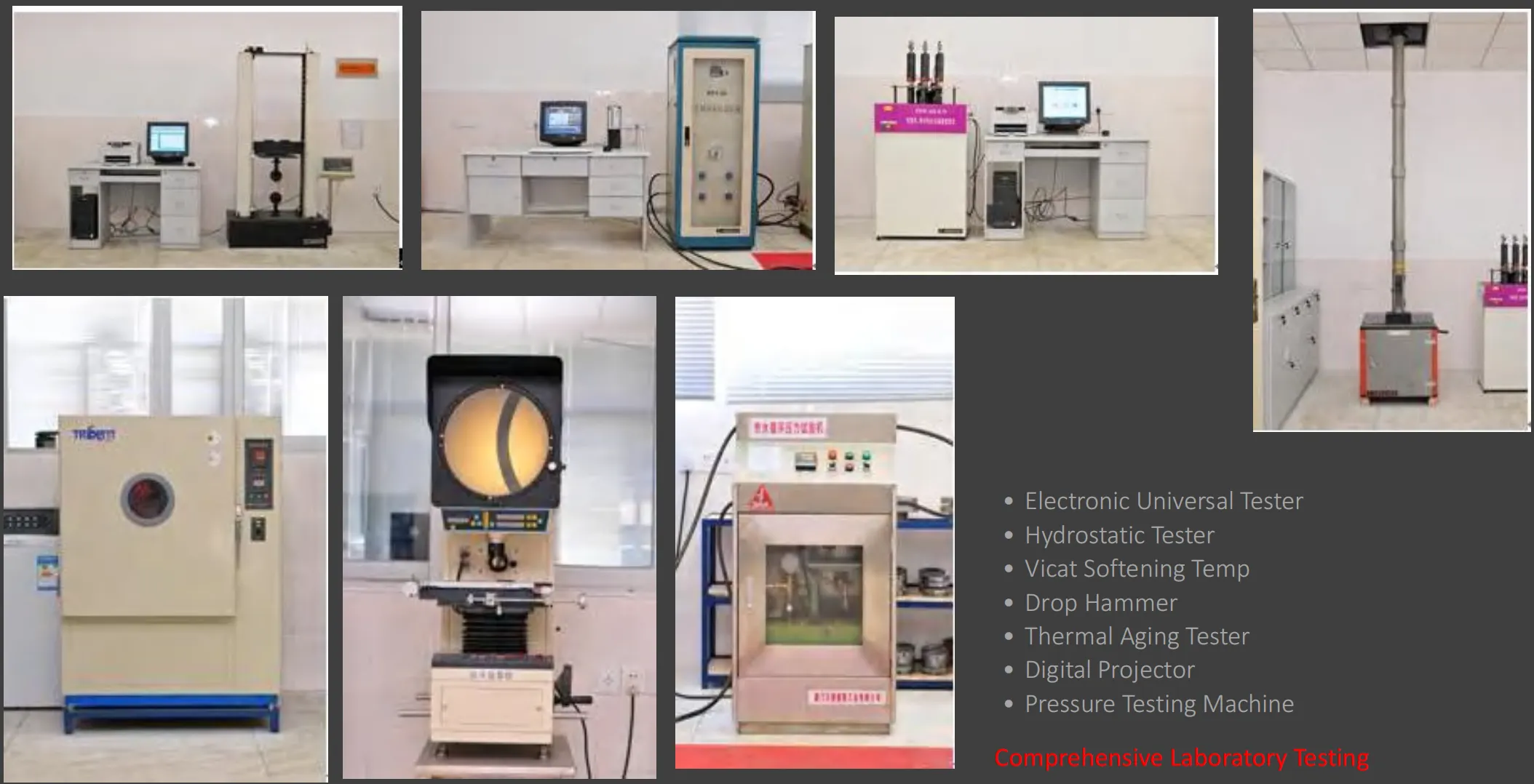
SANKING's laboratory resources support hydrostatic pressure testing, Vicat softening temperature checks, thermal aging, dimensional inspection, torque testing, hardness testing, density checks and moisture checks. The required test and report should be agreed against the actual product series and project scope.
Published PPH True Union Ball Valve Reference
Working pressure: 150 psi
Published operating-temperature range: 5°C–95°C
Published size range: 1/2 in. through 4 in.
These values are published data for that valve series, not a blanket design limit for an industrial wastewater plant. Chemical compatibility, operating temperature, pressure derating, transient pressure and the exact ordered configuration still need confirmation.

Project Documentation
Match the Certificate to the Valve, Material and Destination Market
SANKING's facility operates with ISO 9001:2015 quality-management documentation. Depending on the selected product series and project requirement, supporting documents may include applicable CE materials, NSF-related records, DNV or other type approvals, third-party test reports, REACH or material declarations, drawings and inspection information.
For an industrial wastewater project, send the exact product type, material, size, pressure, connection, seal, actuator, destination and requested standard. This prevents a certificate from another material or valve series being used as proof for the wrong configuration.
Recommended Product Combination
Build the Wastewater Package Around the Critical Positions
PPH Ball Valves - acid, alkali, PCB/electronics wastewater, electroplating, neutralization and corrosive maintenance positions.
PVDF Ball Valves - more demanding chemical positions where additional material stability justifies the cost.
Check Valves - pump discharge, elevated lines and positions where reverse flow affects equipment or treatment sequence.
Y-Strainers - particle protection where solids loading, screen size, cleaning access and pressure drop have been defined.
PPH Fittings - coordinated PPH piping packages for corrosive chemical and wastewater sections.
Plastic Pipes and full-plastic actuated valve options - for coordinated line materials, automation and replacement planning.
Before the BOM Is Released
Wastewater Piping Problems Worth Catching Early
01.The RFQ says only "acid wastewater" or "PCB wastewater" without the actual chemicals, pH variation, concentration and temperature.
02.PPH is selected for the body, while the O-ring and seat are left unspecified until after the quotation.
03.A strainer is added to every pump line without checking mesh, plugging rate, cleaning access and suction-pressure loss.
04.Normal pump pressure is used for valve selection while pump shutoff head, pulsation and transient pressure are ignored.
05.A compact valve is installed beside a pump or filter that later requires pipe cutting every time the valve is replaced.
06.The electric actuator has a suitable IP rating, but the acid mist, cable gland, exposed bracket and direct splash condition were never reviewed.
07.Heavy valves and actuators hang directly from plastic piping without enough support near the valve and equipment connection.
Project RFQ
What to Send Before Material and Valve Approval
A wastewater flow diagram, P&ID, valve list or treatment-station layout helps separate the high-risk chemical and maintenance positions from the ordinary drain lines.
Related Selection Resources
Material: PVC, CPVC, PPH, or PVDF Selection Matrix
Seals: EPDM vs Viton Seals for Chemical Service
Corrosive automation: Full-Plastic Actuated Ball Valves for Corrosive Workshop Environments
Industrial Wastewater Project
Send the Waste Stream and Site Conditions Before the Piping BOM Is Locked
Provide wastewater type, chemicals and concentration, solids or particles, temperature, working and peak pressure, pipe size, indoor or outdoor condition, corrosive atmosphere, maintenance requirements, control method and quantity. Attach the P&ID, valve list or plant layout when available.
Contact SANKINGFAQ
Industrial Wastewater Piping Questions
Is PPH the first choice for all industrial wastewater?
No. PPH is a strong starting direction for many acid, alkali, electroplating and corrosive wastewater conditions, but mixed oxidizers, solvents, elevated temperature, unusual chemicals or demanding service may change the material decision. Mild treated discharge may not need PPH at all.
When is PVDF worth the higher cost?
Use PVDF selectively where stronger chemical stability, sensitive media, higher-value equipment or high shutdown cost makes the additional material margin useful. It normally does not make commercial sense to specify PVDF on every wastewater drain line.
Should a Y-strainer always be installed before a wastewater pump?
No. A strainer helps when downstream equipment needs particle protection and the system can tolerate its pressure loss. On pump suction, screen fouling can reduce available suction pressure, so particle size, screen area, cleaning frequency and hydraulic margin need to be checked first.
Why are true union valves useful in wastewater plants?
Wastewater valves are more likely to need cleaning, inspection or replacement because of deposits and changing chemistry. True union ends allow the valve body to be removed without cutting the main pipe when enough maintenance clearance has been reserved.
What should be checked for an electric or pneumatic valve in an acid-mist wastewater room?
Check the process-fluid compatibility first, then review the actuator shell, bracket, fasteners, cable entry or air accessories, enclosure protection, washdown condition, corrosive gas exposure, pipe support, control signal and maintenance access. The complete actuator-valve assembly needs to fit the environment, not only the plastic valve body.
- Tel: +86-592-7055777
- Fax: +86-592-7197120
- Email: Sandy@sanking.cn
- Add: No.169, Tong Hong Road, Tong'an District, Xiamen, China