

Industrial Water Treatment Piping
Industrial Water Treatment Piping
Build Each Water, Chemical, and Pump Line Around Its Actual Duty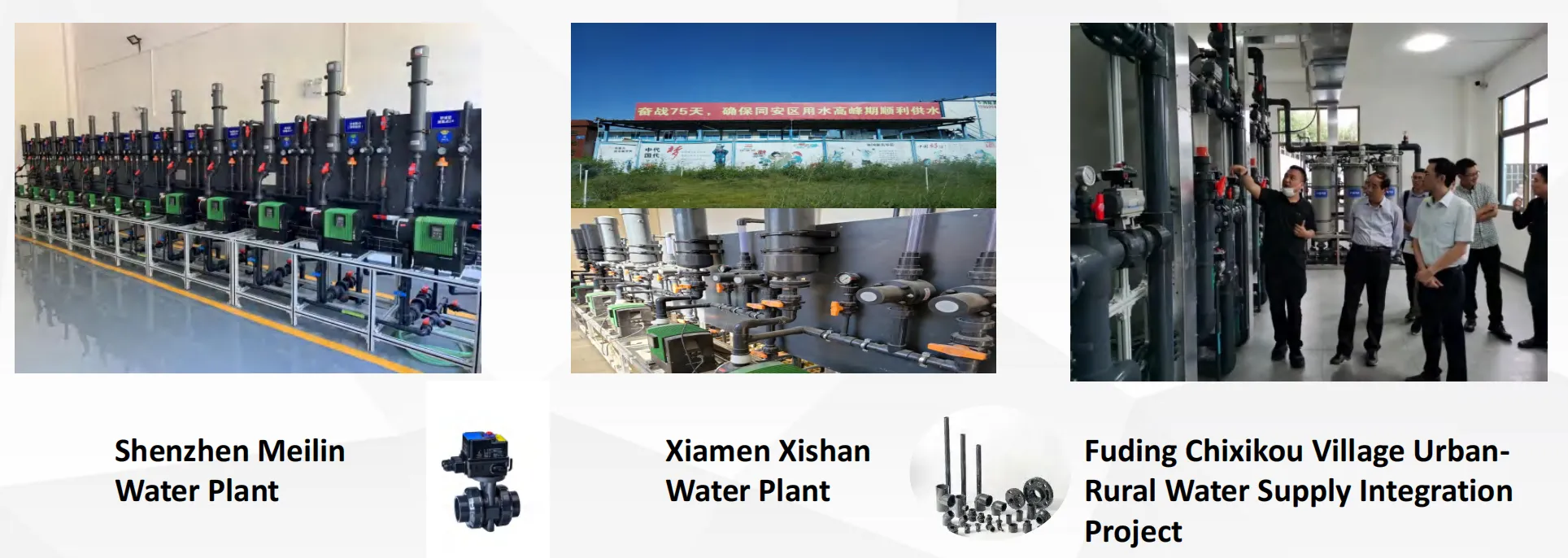
Raw water, filtration, RO pretreatment, backwash, chemical dosing, pump discharge, drains, and packaged skids should not automatically share one valve or piping specification. The water side may be straightforward UPVC while a dosing branch needs a different body material, seal, valve structure, or pressure margin.
For a first selection, provide the water quality, chemicals and concentration, normal and peak temperature, working and peak pressure, pipe size, connection standard, maintenance access, and control requirement. These details determine where UPVC is enough and where CPVC, PPH, PVDF, true union valves, automation, or another piping material deserves closer review.
Before Selecting the BOM
Six Inputs That Change the Piping Specification
System Layout
Configure the Valve Package by Line Position
One treatment plant can use several valve structures without making the BOM unnecessarily complicated. The line duty gives a better starting point than applying the same valve everywhere.
| Line Position | Practical Valve Direction | Material Starting Point | What Usually Changes the Choice |
|---|---|---|---|
| Raw Water / Feed | Ball or butterfly valve, pump-side check valve, Y-strainer where debris protection is required | UPVC for many compatible ambient-temperature water lines | Solids, temperature, suction loss, pump pressure and pipe diameter |
| Filtration | True union ball valves around service equipment; butterfly valves on larger headers | UPVC for common water service | Filter removal, differential pressure, backwash direction and cycling frequency |
| Backwash | Actuated butterfly valves on larger lines; actuated ball valves on smaller branches | Usually follows the compatible main water-side material | Switching frequency, surge, actuator speed, feedback and fail position |
| RO Pretreatment / Permeate | True union ball valves, check valves, pipes and fittings matched to the skid standard | UPVC is common where temperature and chemistry allow | Purity target, cleaning chemicals, pressure and connection standard |
| Chemical Dosing | True union or application-specific ball valve, isolation valve and check valve | UPVC, CPVC, PPH or PVDF after chemical and seal review | Concentration, oxidizing behavior, gas release, crystallization and dosing-pump pulses |
| Pump Discharge | Check valve plus ball or butterfly isolation valve | Match the compatible process-line material | Pump shutoff head, transients, vibration, pipe support and service access |
| Drain / Reject / Pretreatment Waste | Ball or butterfly valves with suitable pipe and fittings | UPVC for compatible water; PPH or PVDF where chemistry is more aggressive | Mixed chemicals, solids, temperature, cleaning agents and sediment |
Material Boundary
Where UPVC Stops Being the Automatic Choice
Most industrial water systems contain several fluid conditions. Keeping UPVC on compatible water-side lines can control project cost, while upgrading only the positions that need more temperature, chemical, or purity margin keeps the material specification practical.
UPVC
A practical baseline for many raw-water, filtration, permeate, utility-water and compatible ambient-temperature chemical lines. Check the full pressure-temperature condition when pumps, warm water, cleaning cycles, or pressure surges reduce the available margin.
CPVC
Useful where the water or compatible chemical runs warmer than a standard UPVC specification comfortably allows. Chemical concentration, pressure and seal material still need their own check.
PPH
Often a practical choice around acid and alkali treatment, neutralization, industrial wastewater, scrubber support, and chemical equipment. Oxidizers, solvents, mixed waste and higher temperatures need individual compatibility review.
PVDF
Use the extra material cost where stronger chemical exposure, sensitive media, higher purity, or the required operating margin justifies it. Many systems only need PVDF on selected chemical or high-purity sections rather than across the full plant.
Valve Package
Give Each Valve a Clear Job in the Water Treatment System
Plastic Ball Valves
Use them for smaller-line isolation, pump and filter service points, dosing branches, bypasses, drains and skid piping. True union construction earns its cost near equipment that will be removed or serviced. Compact construction suits fixed branches where space and BOM cost matter more than future valve removal.
Plastic Butterfly Valves
Move to butterfly valves on larger raw-water, filtration, backwash, distribution, and pump-room lines where a compact large-diameter valve is more practical. Confirm disc clearance, flange geometry, operating torque and actuator envelope before fabrication.
Check Valves
Use reverse-flow protection where a stopped pump, elevated pipe section, dosing branch or parallel equipment can drive flow in the wrong direction. Pump discharge is a common position, but orientation, closing behavior and transient pressure still matter.
Y-Strainers
Protect valves, meters, spray devices and equipment where debris would cause a real operating problem. Screen opening, solids load, cleaning access and allowable pressure loss should be known before adding a strainer-especially near a pump suction.
Plastic Pipes and Plastic Fittings
Keep pipe, fittings, valves, unions, flanges and transitions on a coordinated material and dimensional standard. A chemically suitable component can still create installation trouble when the socket, thread, flange or pipe OD standard does not match the rest of the skid.

Chemical Dosing
Separate the Dosing Specification From the Main Water Loop
A skid can run UPVC on the water side and still require a different valve and seal package around acid, caustic, sodium hypochlorite, cleaning chemicals, or stronger industrial dosing solutions.
Sodium hypochlorite deserves particular attention because gas release, crystallization, long closed periods and dosing-pump pulses can change how a standard ball valve behaves. Where cavity pressure or hard turning has been a field problem, a vented-ball configuration should be evaluated early.
For the full selection logic, see Plastic Ball Valves for Sodium Hypochlorite Dosing Lines.
RO Pressure Boundary
Treat the High-Pressure Membrane Feed as a Separate Engineering Section
Thermoplastic valves and piping fit many RO pretreatment, permeate, dosing, drain, CIP-support and utility positions. The high-pressure pump discharge and membrane feed require their own pressure and material check.
Use the maximum operating and transient pressure at the actual temperature to verify every valve, pipe, fitting, union, flange and transition in that section. Keep the specified high-pressure material where the thermoplastic system does not provide the required design margin.
Automation and Packaged Equipment
Automate the Positions That Affect Sequence, Remote Operation, or Uptime
Manual
Local isolation, drains, sampling branches, spare lines and maintenance points that operate infrequently and remain easy to reach.
Pneumatic
A strong fit for frequent backwash or repeated switching where reliable plant air is available. Specify air pressure, fail position, solenoid, limit switches and cycle frequency.
Electric / Modulating
Useful for containerized units, remote pump rooms and systems without compressed air. Specify voltage, ON/OFF or proportional signal, feedback, actuator protection and available height.
Skid layout check
A valve that fits in CAD can still be difficult to service after pumps, filters, cable trays, instruments and pipe supports are installed. Reserve handle swing, actuator height, union nut clearance, bolt access and a real valve-removal path before the skid layout is released.
Related guides: Compact vs True Union Ball Valves · Containerized Water Treatment Systems
Application Reference
UPVC Piping Components in an Ultra-Pure Water System
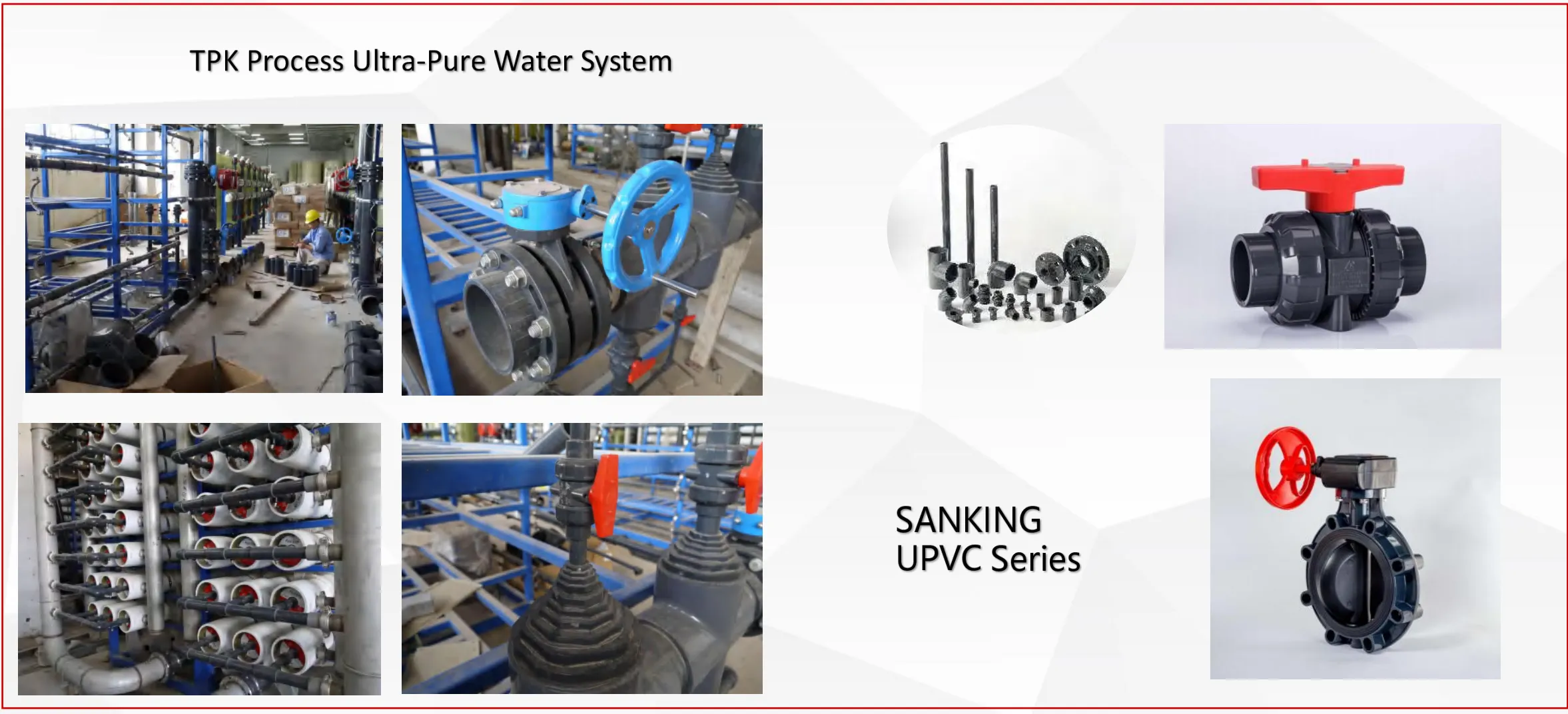
TPK Process Ultra-Pure Water System
This application reference shows SANKING UPVC-series piping components used in an ultra-pure water system. The installed system includes plastic valves and piping components across the process layout.
A project reference confirms application experience; it does not replace engineering review for another plant. Water quality, chemicals, pressure, temperature, pipe standard, cleanliness level and documentation should still be confirmed for the new system.
Verification Before Shipment
Match the Test Scope to the Product and Project
A water-treatment project does not gain much from a generic statement such as "tested before shipment." The useful question is which characteristic is being checked and whether the test matches the selected valve, pipe or fitting series.
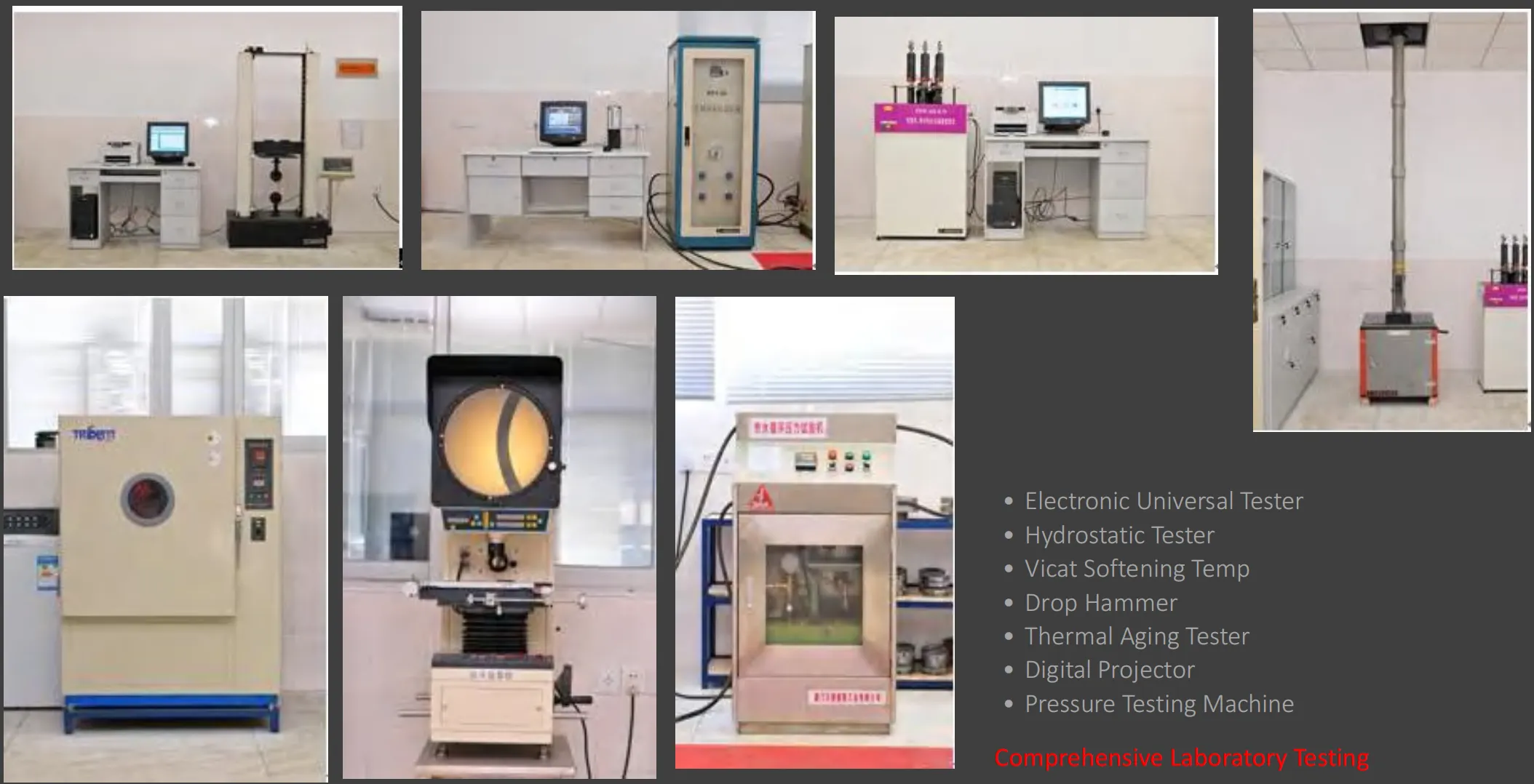
Available laboratory verification includes:
• Hydrostatic pressure testing
• Vicat softening temperature checks
• Thermal aging verification
• Dimensional inspection
• Valve operating torque testing
• Hardness testing
• Density and moisture checks
• Other product-specific inspection according to the order scope
For project submittals, confirm the required inspection or test record before the purchase order so the requested evidence can be matched to the actual model and production scope. View Manufacturing and Quality.

Certification and Project Documents
Check the Certificate Against the Exact Product Configuration
SANKING's facility operates under ISO 9001:2015 quality-management documentation. Depending on the selected product series and project requirement, supporting records may also include applicable CE, NSF-related, TSG, DNV or other type-approval documents, third-party reports, REACH or material declarations, product drawings and inspection information.
A certificate logo on another valve size or material is not enough for project approval. Specify the material, product type, size, pressure requirement, connection standard, seal, actuator, destination market and required document when requesting compliance information.
Field Review
Conditions Worth Catching Before the Valve List Is Released
01.The main water line and chemical dosing lines use one material specification without a chemical-by-chemical review.
02.The valve body is specified, but the seat, O-ring, stem seal, gasket or other wetted parts are left open.
03.The pressure check uses only normal operation and misses pump shutoff head, dosing pulses, switching transients or water hammer.
04.Compact valves are installed beside pumps, filters or service equipment that will later need frequent removal.
05.A Y-strainer is added without checking pressure drop, screen size, solids load and cleaning access.
06.The actuator is selected before voltage, air supply, signal, feedback, fail position and installation envelope are confirmed.
07.DIN, ANSI/ASTM, JIS or other connection standards are mixed without a defined transition point in the BOM.
Where a thermoplastic system needs another material
Keep metal, alloy, lined, or another engineered piping material where the line exceeds the confirmed pressure-temperature envelope, requires steam or high-temperature sanitization, has unresolved solvent or oxidizer compatibility, carries substantial mechanical or fire-code demands, or operates in an RO high-pressure section outside the selected thermoplastic rating. A mixed-material plant is often more technically and commercially sound than forcing one material across every line.
Project RFQ
Send Enough Process Data to Review the System by Line
A P&ID, valve schedule, line list, skid drawing or equipment layout is more useful than a quantity-only inquiry. It shows which positions are simple water isolation and which positions carry the real chemical, pressure, automation or maintenance risk.
Related Products and Guides
Continue the System Selection
Products: Plastic Ball Valves · Plastic Butterfly Valves · Check Valves · Y-Strainers · Plastic Pipes · Plastic Fittings
OEM layout: Compact vs True Union Ball Valves for OEM Water Treatment Equipment
Packaged systems: Ball Valves for Containerized Water Treatment Systems
Chemical dosing: Plastic Ball Valves for Sodium Hypochlorite Dosing Lines
Industrial Water Treatment Project
Send the Process Conditions Before the Valve and Piping BOM Is Locked
Share water quality, dosing chemicals, operating and peak pressure, temperature, pipe size, connection standard, quantity, control requirements, and any available P&ID or skid layout. We can review the valve, pipe, fitting, seal, actuator, test-document and certification requirements by line position.
Contact SANKINGFAQ
Industrial Water Treatment Piping Questions
Can an entire RO water treatment skid use UPVC?
UPVC fits many pretreatment, utility, permeate, drain and compatible dosing positions. High-pressure membrane feed, warmer service, aggressive chemicals, high-purity requirements or specific cleaning conditions should be separated and checked on their own operating envelope.
When should CPVC, PPH or PVDF replace UPVC?
Move toward CPVC when temperature is the main issue, PPH for many chemical and wastewater positions, and PVDF where stronger chemical resistance, higher purity or additional operating margin justifies the cost. Chemical name, concentration, temperature, pressure and seal material still decide the final configuration.
Where are true union ball valves worth the extra cost?
They make the most sense around pumps, filters, dosing modules, instruments and other service positions where the valve body needs to come out without cutting the pipe. Compact valves remain useful on fixed branches with limited space and low maintenance demand.
Which valves work well for automatic filter backwash?
Actuated butterfly valves are practical on many larger backwash headers, while actuated ball valves fit smaller branches. Pneumatic or electric actuation should follow switching frequency, available utilities, response time, feedback, fail position and maintenance requirements.
Which certificates or test reports can be supplied?
Documentation depends on the selected product and project scope. Provide the material, valve or piping series, size, pressure, connection, seal, actuator, destination market and required standard. Applicable management-system documents, product certificates, drawings, inspection information and test records can then be checked against the actual order configuration.
- Tel: +86-592-7055777
- Fax: +86-592-7197120
- Email: Sandy@sanking.cn
- Add: No.169, Tong Hong Road, Tong'an District, Xiamen, China