UPVC (unplasticized polyvinyl chloride) and CPVC (chlorinated polyvinyl chloride) are both derivatives of polyvinyl chloride (PVC), but they differ in chemical composition and physical properties.
Chemical composition
CPVC is produced by chlorinating PVC resin, with a chlorine content of about 67%, which makes CPVC have better high temperature resistance and higher rigidity. The chlorine content of UPVC is about 57% and does not contain plasticizers, so it is more suitable for cold water systems and general non-high temperature applications.
Material strength
CPVC has a tensile strength of 500MPa and an elastic modulus between 2000-3000MPa, while UPVC has a tensile strength of 45MPa and an elastic modulus of 2300MPa. CPVC is mechanically stronger than UPVC.
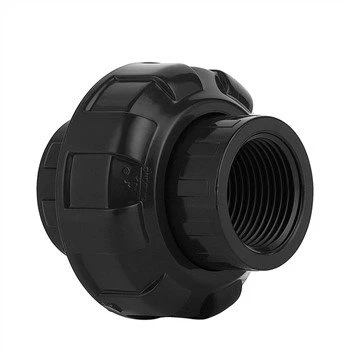
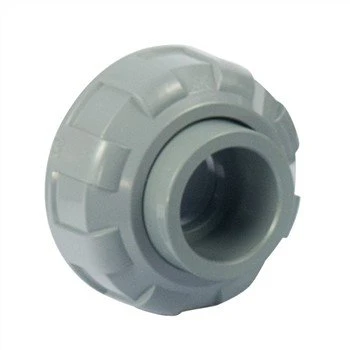
Temperature resistance
CPVC pipes can withstand temperatures up to 93°C and are suitable for hot water systems and industrial pipes. In contrast, UPVC pipes have lower temperature resistance and are usually only suitable for temperatures not exceeding 60°C, mainly used in cold water systems.
Chemical resistance
CPVC has excellent resistance to a variety of chemicals, including acids, bases, salts and oxidants, so it is often used in the chemical industry. Although uPVC also has some chemical resistance, it is not as good as CPVC.
Installation and connection
The installation of uPVC and CPVC pipes is relatively simple, and special solvent adhesives are usually used for connection. CPVC pipes may be easier to handle when connecting because they are more flexible.
Application areas
UPVC is often used in drainage, sewage and water supply systems in the construction industry due to its low cost and easy processing. CPVC is often used in fire protection piping systems, hot water supply systems and chemical industry pipelines due to its high temperature and chemical resistance.