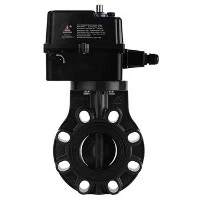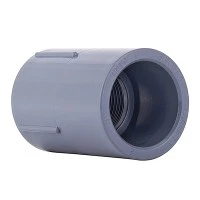
PVC gate valves are widely used in water supply systems, irrigation lines, pool circulation, and chemical transfer pipelines due to their corrosion resistance and lightweight structure. However, like all piping components, their long-term performance is influenced by the environment in which they operate.
Understanding how temperature, UV exposure, chemical surroundings, and pressure conditions affect the valve helps engineers and system designers make better installation and maintenance decisions.
1. Temperature Changes and Material Stability
PVC is a thermoplastic material, which means its mechanical properties vary when temperature fluctuates.

When exposed to continuous high temperatures:
- PVC may soften gradually, reducing valve body rigidity
- Sealing surfaces may deform, leading to slow internal leakage
- The valve's pressure rating must be derated when fluid temperature exceeds 45–60°C
For hot-water or industrial systems, CPVC or metal valves are often recommended instead.
- In cold climates, PVC becomes stiffer and more brittle.
- If fluid inside the valve freezes, internal expansion may cause cracking around the body or bonnet.
Engineering Note: Most manufacturers specify a minimum operating temperature of around 0°C. Below this value, insulation or heat tracing is necessary to prevent structural failure
2. UV Exposure and Outdoor Installation
PVC material is sensitive to long-term ultraviolet radiation. If unprotected PVC gate valves are installed outdoors:
- Surface discoloration will occur over time
- Material strength may gradually decrease
- The valve body may develop hairline surface cracks after prolonged exposure
To mitigate this, engineers often:
- Apply UV-resistant coatings
- Install protective boxes or insulation foam
- Select PVC with added UV stabilizers for agricultural or rooftop installations
3. Chemical Compatibility and Fluid Types
PVC's corrosion resistance is one of its major strengths, but not all chemicals are suitable for PVC systems.
Chemical incompatibility may result in swelling, seal degradation, or structural cracking.
Send your specs. Get a fast quote.
4. System Pressure and Flow Conditions
Environmental pressure is not only about internal pipeline pressure, but also surrounding installation conditions.
- A PVC gate valve installed underground must withstand soil pressure and possible ground movement
- Valves in high-pressure systems require proper support to prevent stress on threaded ends
- Rapid pressure drops or water hammer may stress the gate and stem assembly
Correct pipe support spacing, slow-closing actuators, and pressure shock absorbers help prolong service life.
5. Microbial and Biological Factors
In some storage tanks and agricultural facilities, biological factors also affect PVC valves.
- Certain microorganisms produce acidic byproducts that gradually erode surrounding fittings
- Moss and algae growth on outdoor valves may trap moisture and accelerate surface aging
- Biofilm formation inside pipelines may interfere with valve closure over time
Routine flushing and cleaning practices reduce these risks.
6. Installation Environment and Mechanical Stress
PVC materials are rigid but not impact-resistant.
- External factors causing mechanical stress include:
- Accidental impact during maintenance work
- Misaligned pipes applying bending force to the valve body
- Surface vibration from pumps or machinery
Proper mounting brackets, flexible joints, and correct pipe alignment help minimize mechanical fatigue.
Conclusion
Temperature, UV exposure, chemical compatibility, pressure conditions, and mechanical stress all influence the long-term performance of PVC gate valves. Understanding these environmental factors allows engineers and procurement managers to make better decisions and avoid premature failures in the field.